A spray tan allows you to get a natural-looking tan without UV exposure, however, it only lasts 4 to 7 days. It’s a great option for events or for maintaining a year-round tan. A tanning bed gives you a longer-lasting tan, but it uses UV rays, which can lead to skin damage and other issues if you are not careful or overexpose your skin.
Key Takeaways
- Spray tans do not use UV radiation. The skin darkens because of the DHA ingredient.
- Tanning beds may last longer, but the color comes from a biological response to UV exposure.
- Spray tans can give you a few shades darker color in just one session.
- Tanning beds require multiple sessions to build color, which increases cumulative UV exposure.
- Both methods require good preparation, but spray tans need extra prep and aftercare to avoid streaking, transfer, or uneven fading.
Spray Tan vs. Tanning Bed: Quick Comparison
| Factor | Spray Tan | Tanning Bed |
| How it works | DHA colors the outer layer of the skin | UV rays stimulate melanin production |
| UV exposure | No | Yes |
| Result speed | One session | Requires multiple sessions |
| Longevity | Often lasts 4 to 7 days with proper care | Base tan 1 to 2 weeks, gradually build tan 2-4 weeks |
| Best for | Events, vacations, and customizable color | People who prefer UV-based tanning |
| Main downside | Requires prep and aftercare | UV-related skin risks |
How Spray Tanning Works?
A spray tan uses DHA, a colorless ingredient that reacts with the outer layer of your skin to create a darker appearance. The color develops over several hours and fades naturally as your skin exfoliates. Unlike tanning beds, spray tanning does not involve UV exposure or increase melanin production.
Some people still think spray tans smell strange or leave the skin looking orange. That can happen with lower-quality products or poorly matched shades. Modern organic formulas are designed to look more natural and feel lighter on the skin. If you want to learn more, check out our blog post about organic spray tan.
How Tanning Beds Work?
A tanning bed uses artificial UV radiation to stimulate melanin production in the skin. Melanin is the pigment responsible for a darker skin tone after UV exposure. While this process creates a tan, the same UV exposure can also contribute to skin aging and other forms of skin damage.
Tanning beds often work faster than outdoor tanning because they concentrate UV exposure in a more controlled environment. Several factors make this possible:
- High UV intensity
- Close distance to the lamps
- Even exposure angles across the body
- Longer uninterrupted UV contact
There are also different types of tanning beds:
- Low-pressure beds: Use fluorescent-style bulbs that emit higher levels of UVB rays, which help stimulate melanin production more quickly.
- High-pressure beds: Use filtered UV light with more UVA rays, which can produce longer-lasting color with fewer sessions.
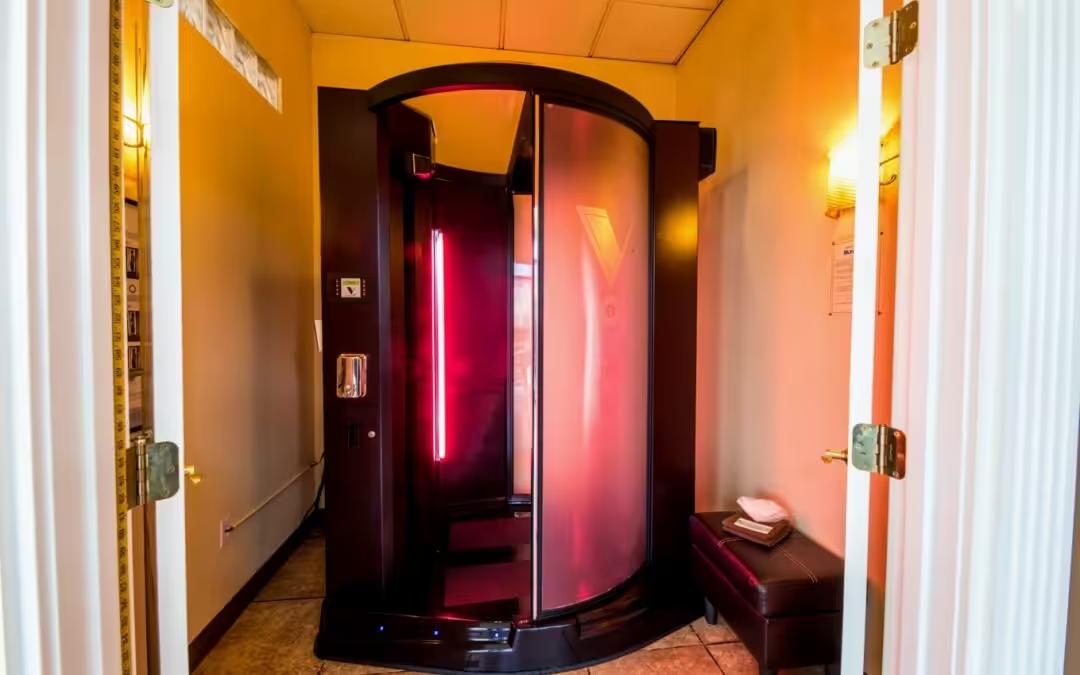
Some people also prefer stand-up tanning booths. If you want to learn more about how they work, read our guide on stand-up tanning beds.
Which Is Safer: Spray Tan or Tanning Bed?
Spray tanning is considered safer because it does not expose the skin to UV radiation. The color comes from DHA reacting with the outer layer of the skin, not from UV-induced melanin production.
For people who want cosmetic color without UV exposure, spray tanning is usually the preferred option.
Which Gives Better Results?
It depends on what kind of results you want. Both methods will give you a natural-looking tan, but there is a difference in the process, how long it takes, and how long the results last.
Spray tans are usually better for people who want to get color faster for a specific event, vacation, photoshoot, or special occasion. You can often choose the depth of color, and one session is enough to see noticeable results.
Tanning beds may produce color that lasts longer because the skin is generating more melanin through UV exposure. Some people also prefer the way a UV tan gradually develops over multiple sessions.
Which Lasts Longer?
A spray tan often lasts between 4 to 7 days with proper care. Because the color sits on the outer layer of the skin, it gradually fades as the skin naturally sheds.
A tanning bed tan can last longer because UV exposure stimulates melanin production within the skin. A light base tan may last around 1 to 2 weeks, while a gradually built tan from multiple sessions can last 2 to 4 weeks.
Which Is Better Before a Wedding, Vacation, or Event?
For most people, a spray tan will be a better choice before a wedding, vacation, photoshoot, or special event. You only need one session for noticeable results, and you can usually customize the shade based on your skin tone and the look you want.
A spray tan also avoids the need for multiple UV tanning sessions leading up to the event. That makes it more convenient when you are working with a tight timeline.
For weddings or major photos, it is a good idea to schedule a trial tan beforehand. This gives you time to test the color, make adjustments if needed, and feel more confident about how the final result will look in different lighting and photos.
Spray Tan Pros and Cons
A spray tan is a great option if you want fast color without UV exposure, but it also comes with some maintenance and preparation requirements.
Pros
- No UV exposure
- Fast results in one session
- Customizable color levels
- Good for weddings, vacations, and events
- Can create a more even-looking skin tone
- Works for people who do not tan easily in the sun
Cons
- Usually lasts only 4 to 7 days
- Requires preparation and aftercare
- Can fade unevenly without proper maintenance
- Lower-quality formulas can sometimes look unnatural if not applied correctly
Tanning Bed Pros and Cons
A tanning bed may appeal to people who want longer-lasting color, but it also comes with important tradeoffs related to UV exposure.
Pros
- Color lasts longer than a spray tan
- Does not require the same level of aftercare as spray tanning
- No risk of streaking or transfer from cosmetic color products
Cons
- Repeated exposure can contribute to premature skin aging
- Requires multiple sessions to build and maintain color
- Results take longer to develop compared to a spray tan
- Overexposure can increase the risk of burns and skin damage
- Not ideal for people with very sensitive skin or a history of sun-related skin issues
Who Should Avoid Tanning Beds?
Some people should be especially cautious about using tanning beds.
This includes:
- People with very fair or burn-prone skin
- People taking photosensitive medications that increase UV sensitivity
- Minors and teenagers, whose skin may be more vulnerable to UV damage over time
- Anyone with a personal or family history of skin cancer
How to Get the Best Spray Tan Results?
A few simple steps can make a major difference in how evenly the color develops and how long it lasts.
Here are some of the most important tips:
- Exfoliate before your appointment
- Avoid lotions, oils, and deodorant before tanning
- Wear loose clothing after the session
- Moisturize daily to help the tan fade evenly
- Avoid long hot showers and heavy exfoliation afterward
You can read our full guide on how to prepare for a spray tan.
Final Verdict: Spray Tan or Tanning Bed?
For most people, a spray tan is the better choice. It provides fast, customizable results and works well for events, vacations, weddings, or anyone who wants a darker glow without spending weeks building a tan.
Tanning beds may create longer-lasting color because the skin is producing more melanin through UV exposure. Some people also prefer the gradual tanning process and the feel of a UV-based tan.
The tradeoff is that tanning beds expose the skin to artificial UV radiation, while spray tans do not. If skin health and minimizing UV exposure are priorities, spray tanning is usually the more practical option.
FAQ
Can You Use a Tanning Bed Before a Spray Tan?
You can, but it is usually not necessary. Spray tan will give you a noticeable change, but if you decide to combine them, you can get an even better glow thanks to the base tan.
Is a Spray Tan Better Than a Tanning Bed for Fair Skin?
Yes, a spray tan is a better option for fair or burn-prone skin because it doesn’t include any UV exposure. We recommend that you go with a lighter shade for your first appointment. This can help the result look more natural and even. If needed, you can go with darker shades in the next session.
Will a Spray Tan Rub Off on Clothes?
Some transfer can happen before your first rinse, especially with tight or light-colored clothing. That is why you should wear loose, dark clothes after your appointment. Here you can learn more about what to wear to a spray tan.
Should You Get a Spray Tan or Tanning Bed Before Prom?
Both methods can work. A spray tan is usually the better choice before prom because it provides visible color in one session. We recommend that you do a test trial a few weeks before the event.
Can You Spray Tan Over a Tanning Bed Tan?
Yes, a spray tan can be applied over an existing tanning bed tan to deepen or even out the color. The final result depends on your current shade, skin condition, and preparation, so gentle exfoliation beforehand can help the color develop more evenly.
Recent Comments