Yes, you can use retinol with red light therapy. The standard approach is to do your light session first and apply retinol afterward at night, mainly so the light does not break down the retinol. Combining the two is safe for most skin.
Key Takeaways
- Apply retinol after red light therapy, not before. The main concern is that light may degrade certain retinoids, reducing their effectiveness.
- Red light therapy does not increase photosensitivity. Daily sunscreen is still important because retinol and tretinoin can make your skin more sensitive to UV exposure.
- Retinol and red light therapy pair well because they support collagen through different mechanisms.
- The timing stays the same whether you use an at-home device or receive red light therapy in a salon.
- If you have very sensitive skin, rosacea, atopic dermatitis, a damaged skin barrier, or are using certain acne medications, talk to a healthcare professional before adding retinol to your routine.
Can You Use Retinol With Red Light Therapy?
Yes, you can use retinol with red light therapy. For most people, this combination is safe.
Many people combine retinol with red light therapy because both support skin renewal. Retinol promotes cell turnover, while red light therapy supports the skin’s natural repair processes. Together, they can complement each other when used correctly.
However, if you’ve never used retinol before, you should start slowly. Applying retinol 2 to 3 times per week during the first 1 to 2 weeks is a good way to see how your skin responds and to give it time to adjust. You should always choose a high-quality retinol product, which can also help reduce the risk of irritation.
You should avoid retinol or speak with a healthcare professional before using it if you:
- Are pregnant or trying to become pregnant
- Have very sensitive or damaged skin
- Have skin conditions such as rosacea or atopic dermatitis
- Are taking certain acne medications
- Cannot consistently use sunscreen during the day
Check out this blog post to learn more about the benefits of red light therapy and where to try it.
Should You Apply Retinol Before or After Red Light Therapy?
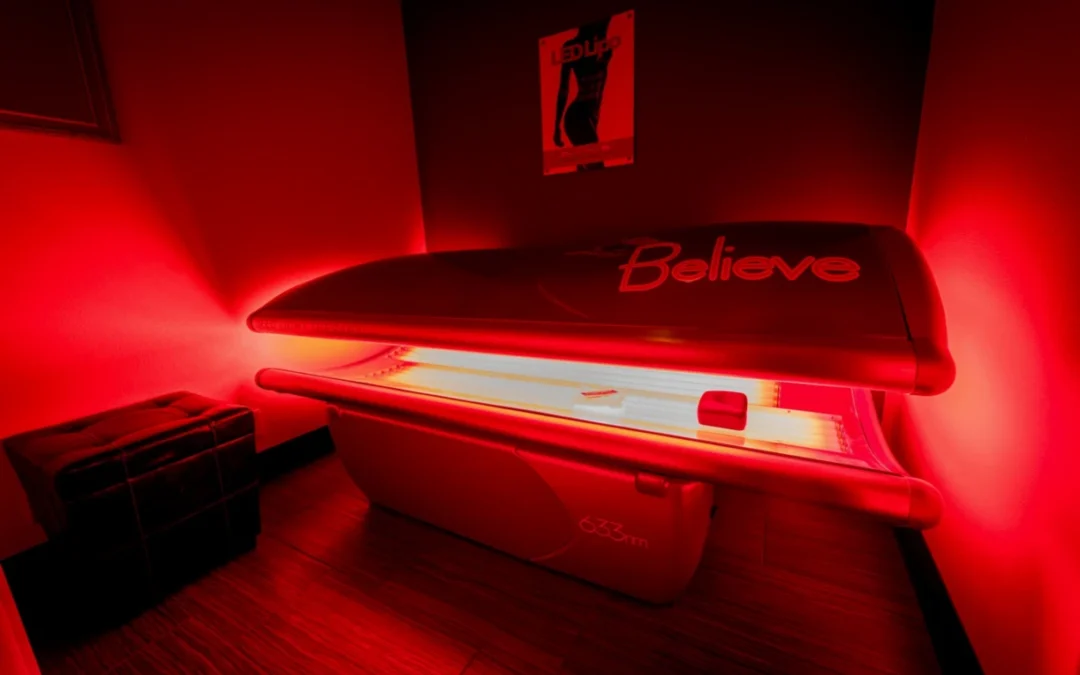
You should apply retinol after red light therapy. This is the approach we suggest to clients who use our medical-grade red light therapy beds.
The same recommendation generally applies to home devices. Unless the manufacturer specifically instructs otherwise, it’s best to complete your red light therapy session first and apply retinol afterward.
One reason for this approach is that red light therapy is best used on clean and dry skin. Since it helps ensure the light reaches the targeted tissue as intended.
This order is also supported by many skincare professionals, including Dr. Dray, a board-certified dermatologist known for her educational skincare content on YouTube. If you want to see what she had to say, check out this video.
Check out this breakdown to learn how many sessions of red light therapy you need to see results.
Why the Order Matters: Degradation, Not Sensitivity
The main reason to apply retinol after red light therapy is not because red light makes your skin more sensitive to retinol. The bigger concern is degradation.
Some forms of retinol and retinoids can be sensitive to light exposure. When applied before, there is a possibility that part of the active ingredient could break down before it has a chance to do its job.
Experts generally fall into three camps on this topic:
- Some recommend using retinol only after red light therapy to avoid any potential degradation.
- Others believe the amount of degradation is likely minimal, especially during a typical treatment session.
- A third group points out that retinol and red light therapy can work well together as part of the same skincare routine, regardless of whether they are used on the same day.
Dr. Dray notes that using retinol before red light therapy is unlikely to harm your skin. However, she recommends applying retinol after the session because certain retinoids can be light-sensitive and may lose some effectiveness when exposed to light.
Read Next: Red Light Therapy: Eyes Open or Closed?
Do Retinol and Red Light Therapy Work Well Together?
Yes, retinol and red light therapy work very well together because they support collagen production through different mechanisms.
Retinol promotes skin cell turnover and encourages the skin’s natural renewal process. Over time, it can help improve the appearance of fine lines, uneven texture, and other visible signs of aging.
Red light therapy works differently. It uses specific wavelengths of light to support the skin’s natural repair processes and stimulate collagen production. It may also help reduce inflammation, which can contribute to healthier-looking skin.
Dermatologists Dr. Maxfield and Dr. Shah from Doctorly explains that collagen loss becomes more noticeable with age. They also describe retinoids as one of the most important topical ingredients for supporting collagen, while LED therapy offers a different mechanism by using red and near-infrared light to support fibroblast activity.
How to Add Retinol to Your Red Light Routine
Start by cleansing your skin, then complete your red light therapy session on clean and dry skin. After your session, apply retinol as part of your nighttime skincare routine. The next morning, use a broad-spectrum SPF before going outside.
Here is a simple order to follow:
- Cleanse your skin
- Pat your skin completely dry
- Complete your red light therapy session
- Apply your retinol product at night
- Use SPF the next morning
If you’re looking for a high-quality retinol product to use as part of your red light therapy routine, we recommend the 1% Retinol Serum by REDLIGHT+. The formula contains a true 1% concentration of retinol and includes soothing ingredients like aloe, witch hazel, and organic green tea to help minimize irritation while supporting healthy skin renewal. It also contains jojoba oil, vitamin E, and antioxidants to help maintain moisture and support overall skin health.
In-Salon Red Light vs. At-Home Masks: Does the Timing Change?
If you receive red light therapy at a salon, you typically won’t be applying retinol during your appointment. Instead, you’ll complete your session, go about the rest of your day, and apply retinol later as part of your evening skincare routine.
The same principle applies to at-home devices. Whether you’re using a wearable mask, a panel, or a medical-grade red light therapy bed, the recommended order remains the same: perform your red light session first, then apply retinol afterward.
As long as your device manufacturer does not provide different instructions, using red light therapy first and retinol afterward is the most straightforward approach.
If you are using UV beds, you may be interested in how red light therapy and tanning go together.
FAQ
Does Red Light Therapy Make Retinol Work Better or Penetrate More?
There is no strong evidence that red light therapy directly increases retinol penetration. However, retinol and red light therapy can complement each other because they support skin renewal and collagen production through different mechanisms. This is why many people use both as part of the same skincare routine.
Can You Use Tretinoin With Red Light Therapy?
Yes, many people use tretinoin and red light therapy together. The same timing recommendation applies: perform your red light therapy session first, then apply tretinoin afterward. Because tretinoin is stronger than over-the-counter retinol, it’s especially important to follow your dermatologist’s instructions and monitor your skin for irritation.
Should You Wear Sunscreen After Red Light Therapy and Retinol?
Yes. While red light therapy itself does not make your skin more sensitive to sunlight, retinol and tretinoin can increase your skin’s sensitivity to UV exposure. Applying a broad-spectrum sunscreen every morning is an important part of any retinoid skincare routine.
Can Red Light Therapy Help With Retinol Purging?
There is no evidence that red light therapy can prevent or stop retinol purging. However, red light therapy may help support the skin’s natural recovery processes and reduce visible inflammation. Some people find that this makes the adjustment period more comfortable when starting a retinol routine.
Recent Comments