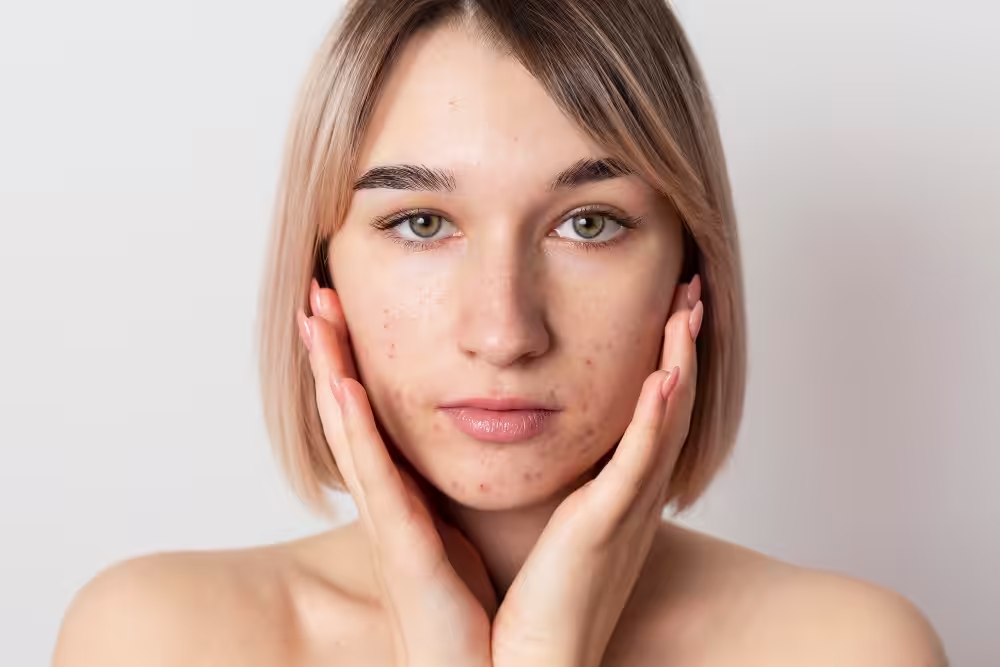
Red light therapy may help calm inflammatory acne, reduce visible redness, and support post-breakout healing, but it is not a guaranteed standalone fix for every type of acne. If you have deep, painful, frequent, or hormonal breakouts, red light therapy is usually best viewed as a supportive treatment, not a replacement for a dermatologist-led acne plan.
Key Takeaways
- Red light is best known for inflammation and healing support, while blue light is more often associated with targeting acne-causing bacteria.
- Mild to moderate inflammatory acne is usually a better fit for red light than severe cystic or strongly hormonal acne.
- Back acne and body breakouts may be a better fit for professional full-body red light beds than small at-home face devices.
- Results take consistency. Most people need several weeks of regular sessions before they can judge whether red light is helping.
- Red light should not directly cause acne, but heavy products, sweat, friction, or irritation around treatments can still trigger breakouts.
- Acne scars and post-acne marks may improve gradually, but deeper pitted scars often need stronger in-office dermatology treatments.
What Red Light Therapy Can and Cannot Do for Acne
Red light therapy is most useful when acne is tied to inflammation, lingering redness, slower skin recovery, or post-breakout marks. It can be a helpful part of a skincare routine for people who want a non-invasive option that does not rely on harsh scrubs or stronger topicals every day.
What it usually does not do especially well on its own is fully control deeper cystic acne, stubborn hormonal acne, or severe acne that keeps coming back no matter what you try. In those cases, red light may still support the skin, but it often works better alongside a dermatologist’s treatment plan instead of replacing one.
How Red Light Therapy May Help Acne-Prone Skin
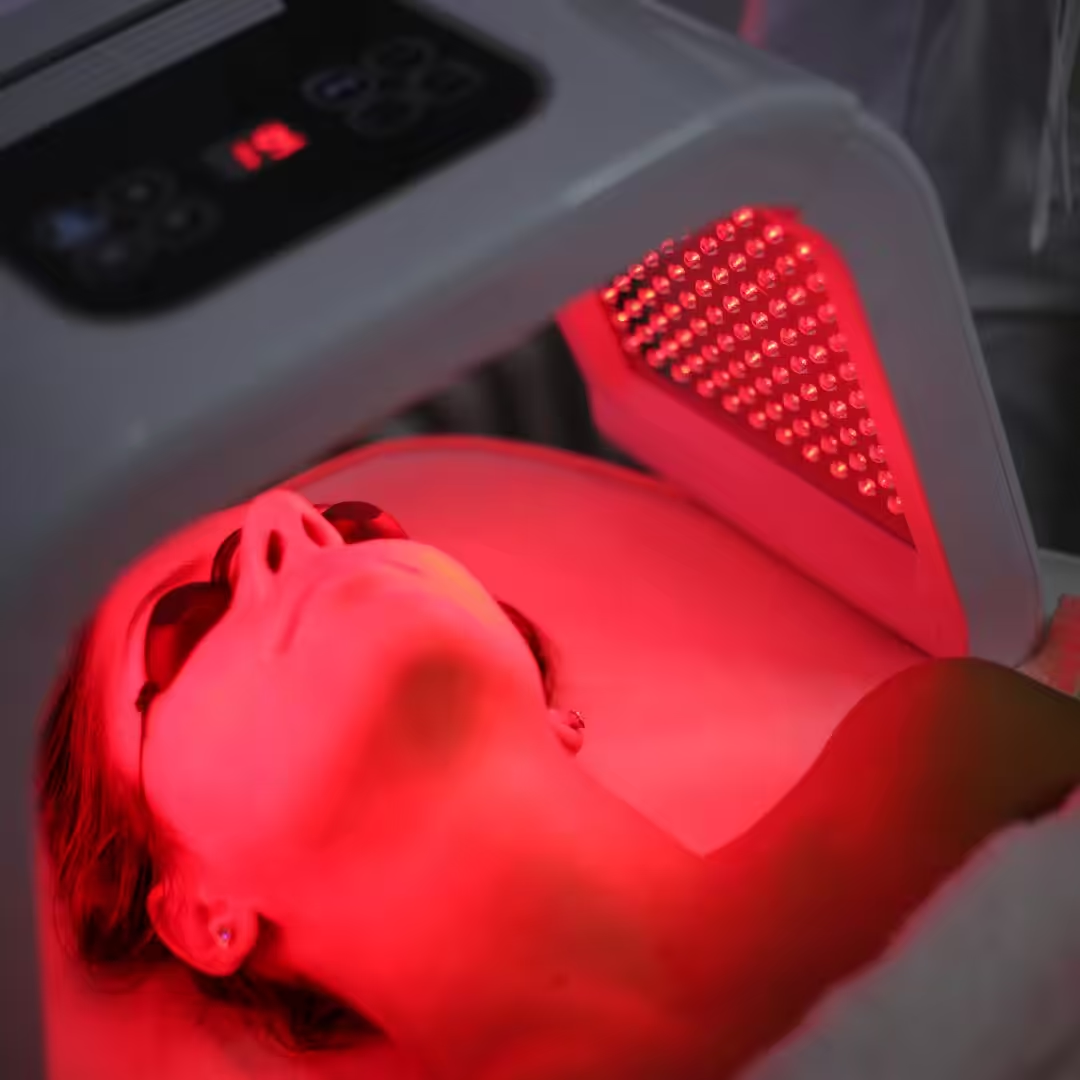
Red light therapy is often used for acne-prone skin because it may help the skin look and feel calmer while supporting recovery over time. Instead of drying the skin out, it is generally used to support the skin’s natural repair process.
People usually try it for benefits such as:
- Less visible redness and swelling around active breakouts
- Faster-looking recovery after inflamed blemishes
- Smoother-looking skin as post-breakout texture improves over time
- Better support for post-acne marks and uneven tone
- A gentler option for people who do not tolerate stronger acne products well
Red Light vs. Blue Light for Acne
Red light and blue light are not the same thing, and that difference matters when you are deciding what kind of treatment makes sense for your skin.
Red light is usually discussed in relation to inflammation, skin recovery, and post-breakout healing support. That is why it often makes the most sense for people dealing with redness, irritated-looking blemishes, or acne that leaves behind lingering marks.
Blue light is more commonly discussed for acne-causing bacteria. That is also why many acne-focused light therapy discussions mention combining red and blue light instead of treating them like interchangeable tools.
If your main goal is calmer-looking skin and better recovery after breakouts, red light may be a useful fit. If your acne is more persistent, inflamed, and clearly breakout-driven, combination light therapy or dermatologist-guided treatment may make more sense.
Does Red Light Therapy Help Cystic Acne?
It may help with some of the visible inflammation and discomfort that comes with cystic acne, but it should not be treated like a cure for deep cystic breakouts. Cystic acne forms deeper in the skin and is usually harder to manage with light therapy alone.
That means red light therapy may still be worth considering if you want to support calmer-looking skin, but deep, painful, recurring cystic acne usually needs a broader treatment approach. If your acne is severe, leaves scars easily, or keeps returning in the same areas, it is smart to speak with a dermatologist.
Can Red Light Therapy Help Acne Scars and Post-Acne Marks?
Red light therapy may help post-acne redness, uneven-looking tone, and gradual texture improvement over time. It is often a better fit for the marks acne leaves behind than for promising that every active breakout will disappear.
That said, there is a difference between post-acne marks and deeper acne scars. If you are dealing with lingering discoloration or skin that still looks irritated after breakouts heal, red light may be useful. If you have deeper pitted scars, rolling scars, or long-standing textural changes, stronger dermatology procedures usually do more.
Can Red Light Therapy Help Back Acne or Body Acne?
It can be a practical option for back acne, chest acne, and other body breakouts, especially when the treatment is done in a professional full-body setup rather than with a small face-only device. That is one of the clearest advantages of a professional full-body treatment.
For someone dealing with body acne, consistency and coverage matter. A full-body bed can make it easier to treat larger areas evenly, which is much harder to do with a small handheld tool or face mask at home.
Can Red Light Therapy Cause Acne or Make Breakouts Worse?
Red light therapy itself should not directly cause acne. It is not the same as putting heavy oil on your skin or using a product that clogs pores.
What can happen, though, is that other factors around your routine may contribute to breakouts, such as:
- Heavy or pore-clogging skincare used before or after sessions
- Sweat and friction on acne-prone areas
- Overdoing active ingredients like exfoliants, retinoids, or strong acne products
- Skin irritation that makes breakouts look angrier even if the light is not the root cause
If your skin seems worse after starting red light therapy, look at the whole routine instead of assuming the light is automatically to blame. It may be a sign that your products, timing, or overall acne plan needs to be adjusted.
Another treatment that doesn’t cause acne breakout is retinol. Since it supports hydration, elasticity, and inflammation control, it helps with acne prevention. It can be combined with red light therapy – learn how.
What Professional Red Light Therapy Looks Like at SunsUp
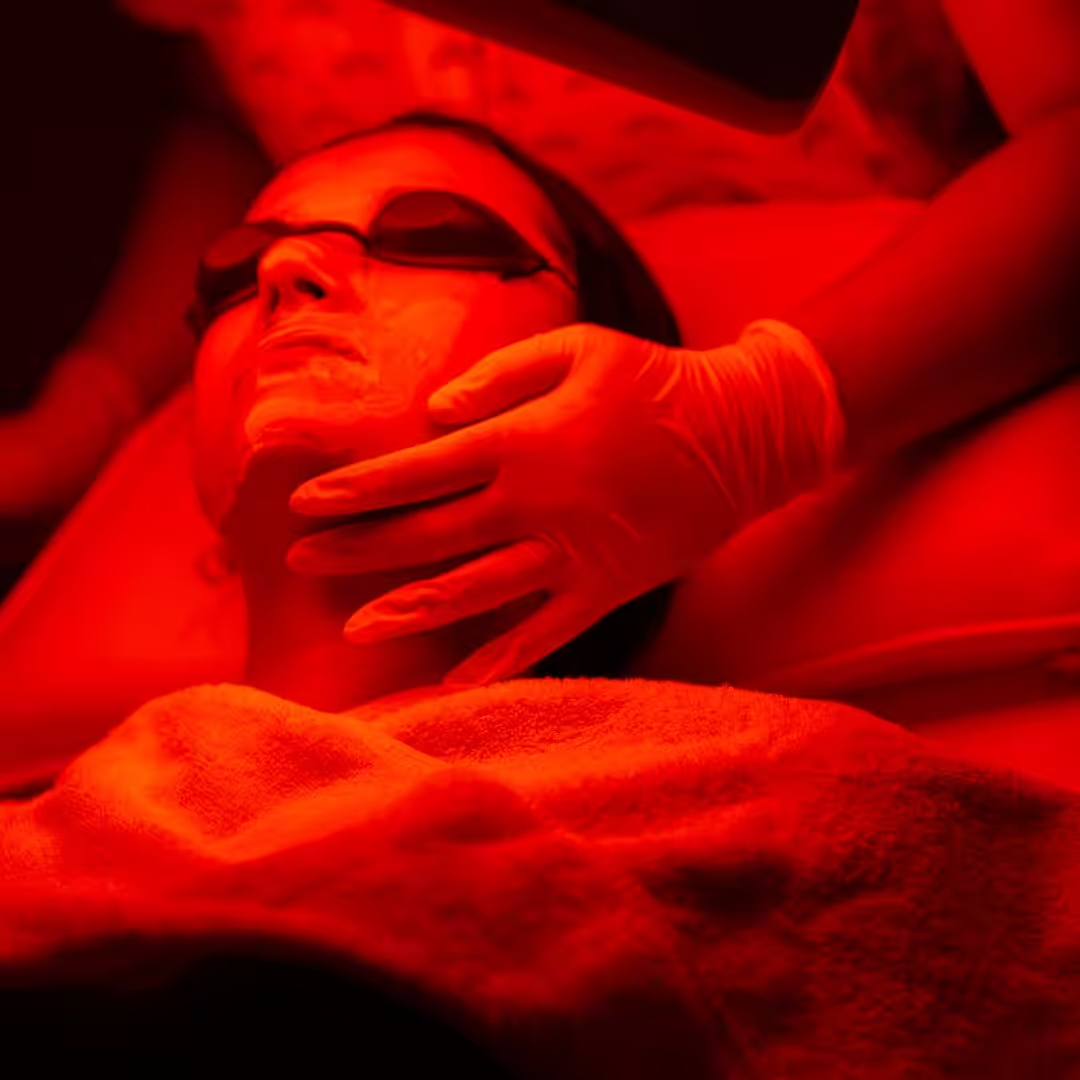
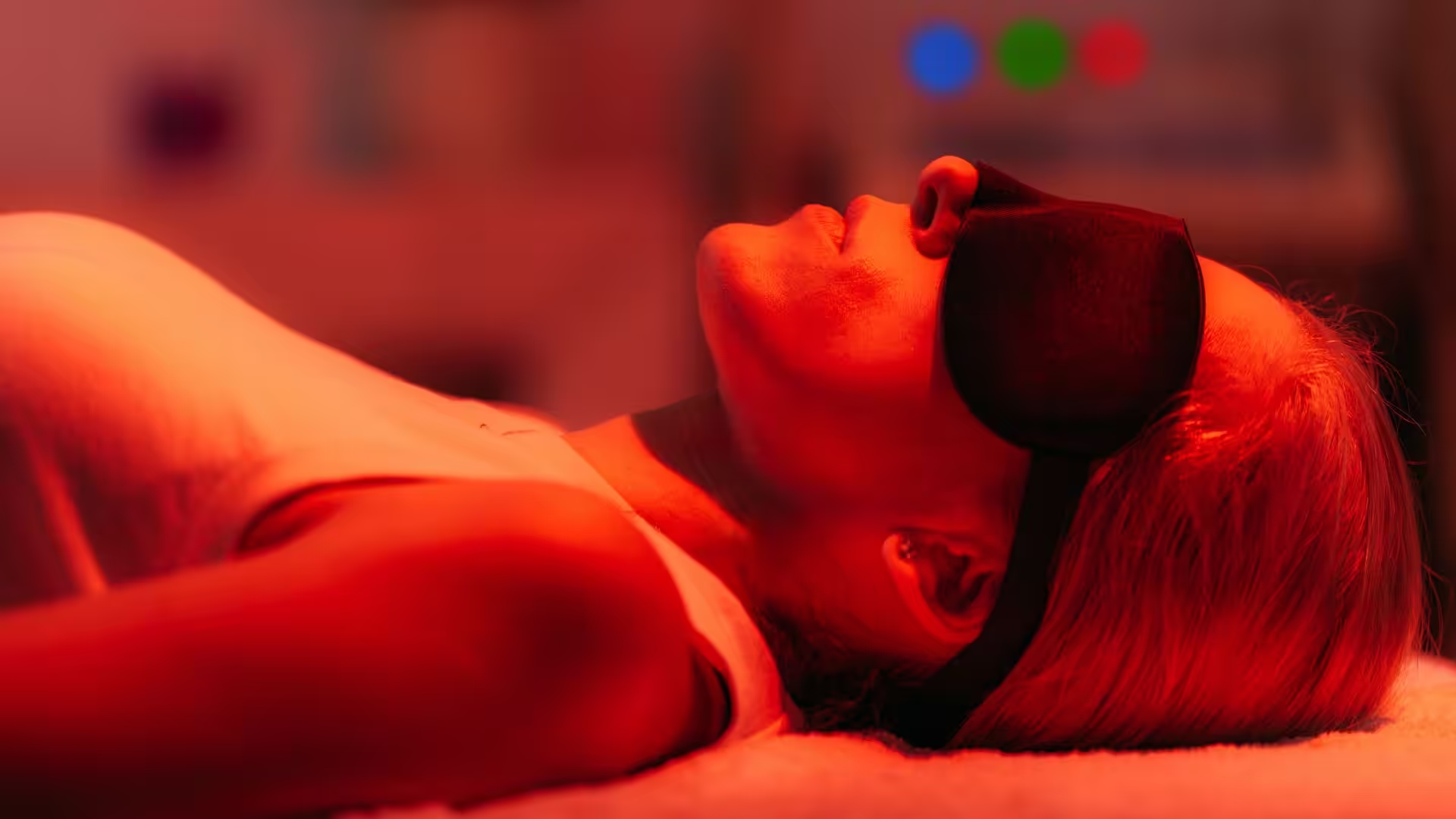
At SunsUp Tan & Wellness Spa, red light therapy is done in lay-down, full-body beds designed for short, consistent sessions. That setup is different from using a small at-home face mask a few times a week, and it may be especially useful for people who want routine-based treatment or need coverage for body acne.
A typical session lasts 10 to 15 minutes. Because the bed exposes both sides of the body during the session, it is a practical option for people treating larger areas instead of just a few spots on the face.
How Long Does It Take to See Results?
Do not expect one session to clear acne. Red light therapy is a consistency-based treatment. Most people need several weeks of regular sessions before they can fairly judge whether it is helping their skin.
As a general expectation, you may notice:
- Early changes in 2 to 4 weeks, such as calmer-looking skin or less visible redness
- More noticeable improvement after several weeks of consistency, especially for inflammatory acne and post-breakout marks
- Slower results for acne scars and uneven texture than for surface redness
If you want a fuller timeline, our guide on how many red light sessions before you see results breaks down what consistency usually looks like in the first month.
Read Next: Red Light Therapy: Eyes Open or Closed?
How Often Should You Do Red Light Therapy for Acne?
If you are using red light therapy for acne-prone skin, consistency matters more than doing one extra-long session once in a while. At SunsUp, many people begin with a routine of 4 to 5 sessions per week for the first four weeks, then reduce to 2 to 3 sessions per week for maintenance.
That is not a universal medical prescription. It is simply a practical, in-spa routine that fits the way professional red light therapy is commonly used here. If your skin is easily irritated or you are also using strong acne products, it makes sense to pay attention to how your skin responds and adjust as needed.
How to Prep for Red Light Therapy if You Have Acne-Prone Skin
A few simple habits can help you get better results and avoid unnecessary irritation.
- Arrive with clean skin and remove makeup before your session
- Avoid piling on heavy products right before treatment if they tend to clog your pores
- Keep active ingredients balanced if you also use retinoids, exfoliants, or strong acne treatments at home
- Stay consistent instead of jumping in and out of treatment
When to See a Dermatologist Instead
Red light therapy can be a useful supportive option, but there are times when a dermatologist should be your first stop.
You should consider medical guidance if you have:
- Deep, painful cystic acne
- Frequent hormonal flare-ups, especially around the jawline or lower face
- Acne that is leaving scars
- Breakouts that do not improve after a consistent trial of skincare and supportive treatments
- Very irritated skin from products or previous acne treatments
That does not mean red light therapy has no role. It means the best plan may be a combination approach instead of treating red light like the whole answer.
Ready to Try Professional Red Light Therapy for Acne-Prone Skin?
If you’re in Oregon or Washington and want to try a professional, full-body red light routine, SunsUp offers short sessions that are easy to fit into a weekly skincare schedule. New clients can get their first session for just $10 (normally $65).
Red light therapy is not a miracle fix for every breakout, but it can be a practical option for people looking for calmer-looking skin, better post-breakout recovery, and consistent support for acne-prone areas.
FAQ
Does red light therapy help hormonal acne?
It may help calm the inflammation and visible irritation that can come with hormonal acne, but it usually does not address the root hormonal trigger. If your breakouts are deep, recurring, and concentrated around the jawline, a dermatologist may help you more than light therapy alone.
Does red light therapy help back acne?
It can, especially when you are using a professional full-body setup instead of a small face device. Full-body coverage makes red light therapy more practical for larger acne-prone areas like the back and chest.
Can red light therapy help acne scars?
It may help post-acne marks, lingering redness, and gradual texture improvement over time. Deeper pitted scars usually need stronger in-office treatments if your main goal is dramatic scar correction.
How often should I do red light therapy for acne?
At SunsUp, many people begin with 4 to 5 sessions per week for the first four weeks, then move to 2 to 3 sessions per week for maintenance. The key is regularity, not doing one long session every now and then.
Can red light therapy make acne worse before it gets better?
Red light should not directly cause acne, but your overall routine can still trigger breakouts. If your skin seems worse after starting, look at your products, irritation level, sweat, and friction before blaming the light itself.
Recent Comments